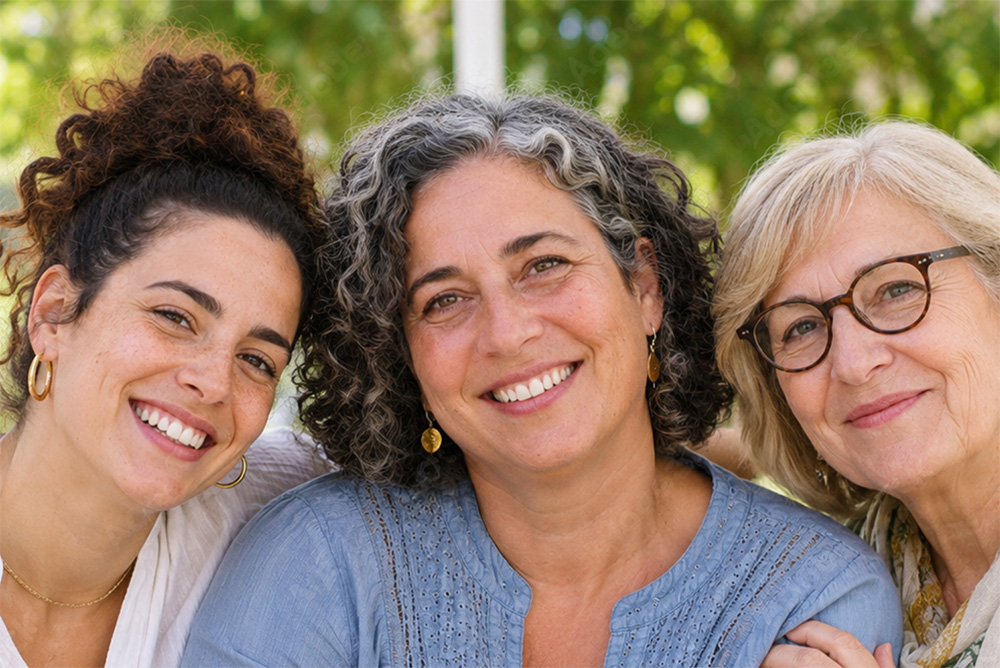

In the aftermath of the recent Israeli and U.S. elections, the number of women Knesset members has increased from 29 to 33, and the number of women governors is at a record high. The below articles examine the role of women in both elections, including a successful effort to mobilize Bedouin women voters and the current struggle to ensure women have a role in Israel’s coalition negotiations. And scroll down for news articles highlighting the work of Hadassah Foundation grantees (all grantee names are in bold).
Women and Elections
Women Make History in Governor, Congressional Races in 2026 Midterms
ABC News, November 4
This week’s midterm elections resulted in a number of historic firsts, particularly for female candidates running for governor and in U.S. House and Senate races. Across the country, voters in 17 states elected a female governor on Tuesday, setting a new record, according to Rutgers University’s Center for American Women and Politics.
Opposition Parties Urged to Include Women in Coalition Talks after Pledging Equal Representation
Jerusalem Post, November 2
According to a report shared by KAN News, in coalition talks, the emerging negotiating teams of Yashar, B’Yachad, Yisrael Beytenu, and the Democrats include 12 men and just one woman, despite several of the parties having pledged to promote gender equality ahead of the election. In response, Hadassah Foundation grantee 5050 Initiative has reached out to party leaders and President Isaac Herzog to ensure women are fully represented in coalition negotiations. In a letter demanding equal participation in meetings between party leaders, the drafting of coalition agreements and government guidelines, and the allocation of ministerial portfolios and areas of responsibility, noting that “women must sit around the table as full partners, with authority and influence over the decisions.”
‘You Need the Power of All Your Votes’: Bedouin Women Secure Success for Arab Parties in Israeli Election
The Guardian, October 31
This article highlights the successful campaign, in partnership with Hadassah Foundation grantee Itach Ma’aki: Women Lawyers for Social Justice, to educate Bedouin women about their voting rights — a critical factor in the Arab community’s record voter turnout numbers. “In the last election in 2022, turnout among [Bedouin] women was around 20 percent,” Itach Ma’aki Co-Director Hanan Alsanah said. “Now in the unrecognized villages, informal data shows more than 60 percent turnout among women.”
U.S. Grantees in the Headlines
Have We Given Up on Addressing Sexual Assault on Campus? A Jewish Educator’s Perspective
eJewish Philanthropy, October 16
In the aftermath of the Cornell rape case, Moving Traditions‘ vice president of education emphasizes the need for programs like the organization’s Shevet program, which educates adolescent boys “to push back against ‘bro culture’ that promotes misogyny and homophobia and excuses or even encourages sexual aggression.”
‘Jewtina’: Latin Jews Seek Community in Places Where They Feel Unwelcome
JTA, October 14
This article describes how Jewtina y Co. empowers Latin Jews. It also explores key challenges this community has faced in the aftermath of October 7 and the Trump Administration’s anti-immigrant activity. Learn more about Jewtina y Co. here.
Israel Grantees in the Headlines
Israeli Man Allegedly Brutally Murders Wife with an Ax in Front of their Four Children
Jerusalem Post, November 2
Leaders of both the Michal Sela Forum and Israel Women’s Network comment on this horrific tragedy, noting that it could have been prevented and comes amid a wider increase in femicide in Israel. The article cites an IWN report documenting how “in over one-third of femicide cases, welfare services or police were aware of domestic violence in the home before the murder happened. In a few cases, welfare services were even aware that the suspect was unstable before the murder.”
Three Years After Oct. 7, Recognition Is No Longer Enough
eJewish Philanthropy, October 7
Ruth Halperin-Kaddari, the founding director of The Rackman Center and a founding member of the Dinah Project, describes how these organizations are pursuing justice for the October 7 victims of conflict-related sexual violence.