
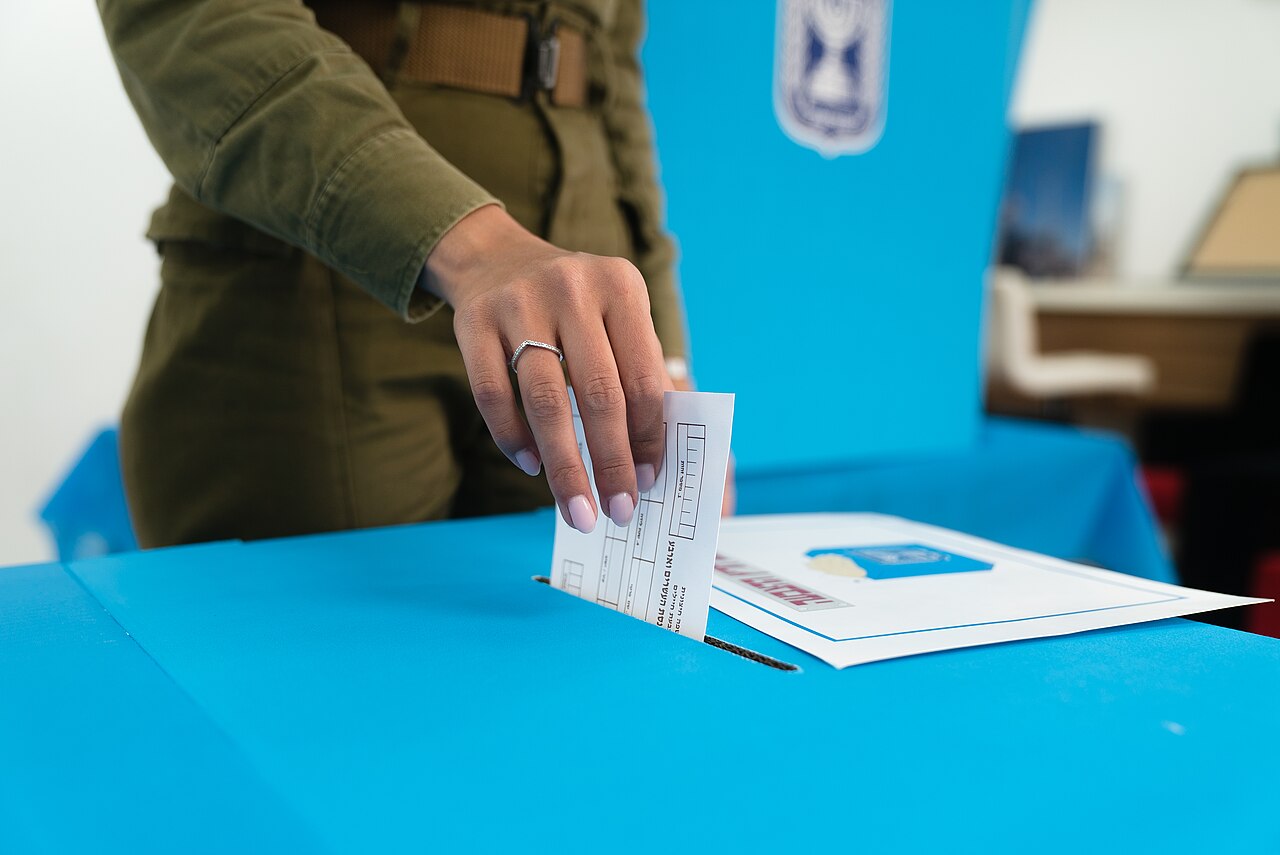
With Israel’s much-anticipated national elections just days away, taking place on October 27th, much is at stake for women.
Below are a few analyses by and articles featuring Hadassah Foundation grant recipients on how the election outcomes could impact the number of women in key leadership positions, the growing trend of gender segregation in public spaces, and other issues affecting women. We have also included an article about a new Haredi party that, unlike existing Haredi parties, includes women candidates on its slate. Find previous articles about the elections and women here.
The Hadassah Foundation is committed to advancing gender equity and building a future in which there is social, political, and economic equality for all women and girls. The Hadassah Foundation is a nonpartisan organization and does not endorse individual candidates or political parties in any election.
Israel Women’s Network Briefing on Women, Democracy, and Israeli Elections
News Articles About the Israeli Elections and Women
In addition to hosting the above webinar, Israel Women’s Network hosted a recent conference in partnership with WIZO, reported in the Jerusalem Post.
Record Number of Women Expected in Next Knesset, But Only Seven in Netanyahu’s Coalition
Jerusalem Post, October 20
This article reports on the 5050 Initiative‘s latest elections analysis and quotes Founder and CEO Yael Yechieli: “I call on the public to look at the lists and ask what kind of government you want to see formed. One in which men and women are partners, or one that excludes women.” The 5050 Initiative is also cited in this Times of Israel article.
New Haredi Party Challenges Old Guard on Army Service, Jobs, and Women’s Representation
The Media Line, October 13
This article about the new political party, “The Haredi Public,” quotes Ziva Glanz, a woman who is fourth on the party’s candidate list: “Women have been at the forefront of Haredi society already now for 20 years. They are the main breadwinners in their families. They’re running companies, they’re running organizations, they’re running schools.” What they have lacked, she said, is a seat in the political institutions making decisions that affect them.